
Selecting the best fishing line for bass affects your lure performance, landing success, and your hook-up ratio.
After testing different line types across clear lakes, stained reservoirs, and handy cover fisheries, we found that there’s no single line that works best in every situation.
However, anglers consistently rely on fluorocarbon, braided line, and monofilament, each for specific reasons.
This article will discuss the most reliable fishing line for bass setups. We will also explain real-world cases, so you can confidently choose the right bass fishing line.
Fluorocarbon versus Braided versus Mono: Which Is Best for Bass?
When comparing fluorocarbon vs braided vs mono for bass, the best depends on where and how you are fishing. Each bass fishing line type performs differently based on sensitivity, cover, visibility, and stretch.
The Fluorocarbon Line
For bottom-contact techniques and clear water conditions, we consistently recommend fluorocarbon. It’s almost invisible underwater, which triggers bites from pressured fish, while its abrasion resistance holds up around docks and rocks.
This material sinks naturally, allowing a better feel of subtle bites and improving sensitivity, making it the best fluorocarbon line for bass when fishing jigs.
The Seaguar Tatsu Fishing Line
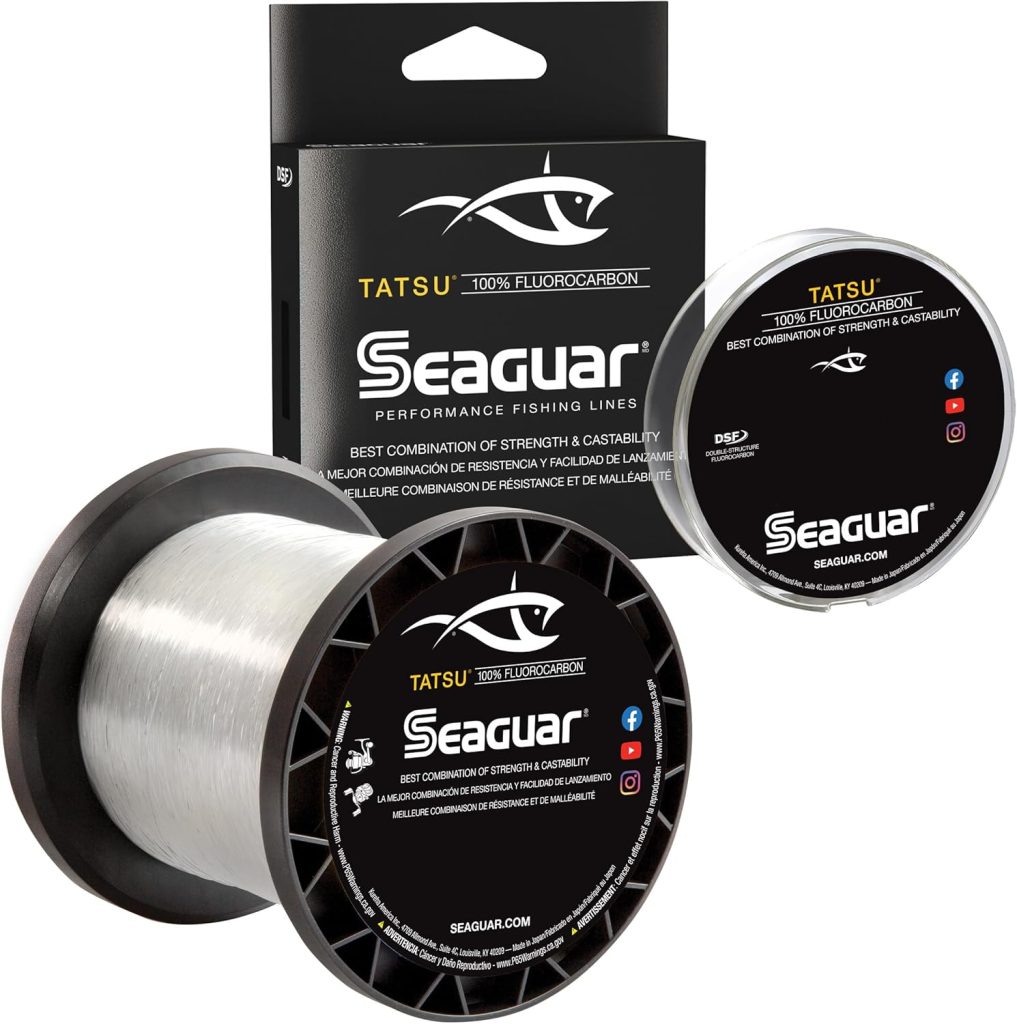
It’s a double-structure fluorocarbon line delivering outclass strength, low memory, and sensitivity for bass fishing. The fishing line is ideal for multi-species freshwater fishing, offering fast sinking and abrasion resistance.
The Berkley Trilene Fluorocarbon Ice Clear
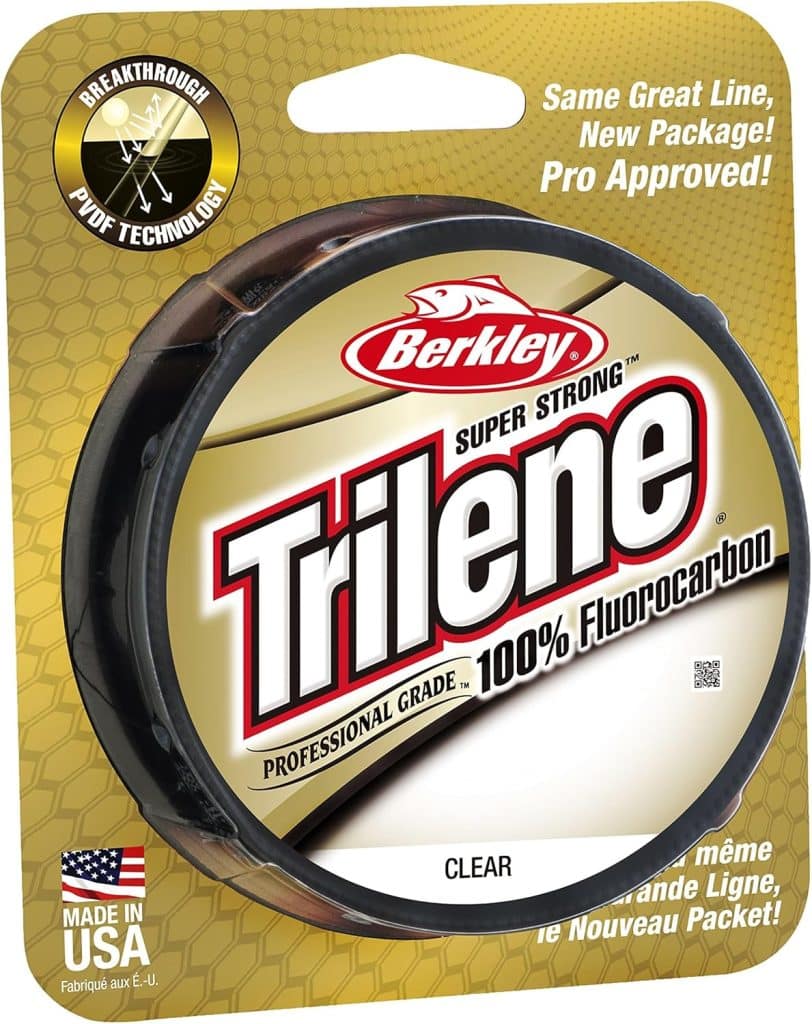
This fishing line for bass offers professional-grade durability, shock resistance, and excellent knot strength in a virtually invisible clear line. It also provides superior abrasion resistance and precise presentations.
The Braided Line
A braided line shines when control and power are the priority. With zero stretch, it delivers instant hooksets and outstanding sensitivity. The thin diameter and extreme strength cut through muscle and vegetation. Therefore, this is widely considered the best braided line for bass in thick pads, grass, and wood, especially for frogs and pitching presentations.
The PowerPro Spectra Fiber Braided Fishing Line
This braided fishing line for bass has round, smooth Spectra fibers for extreme sensitivity and superior abrasion resistance. In addition to that, the Enhanced Body Technology boosts handling, while the EZ spool allows anglers to spool directly from the box. No wonder it is loved by many!
The Monofilament Line
In modern setups, monofilament earns a place for topwater and reaction baits. This floats naturally, has a forgiving stretch, and is easy to manage, making it perfect for explosive surface strikes. For anglers focused on topwater, mono remains the best monofilament line for bass.
The Berkley Trilene Big Game Monofilament Fishing Line
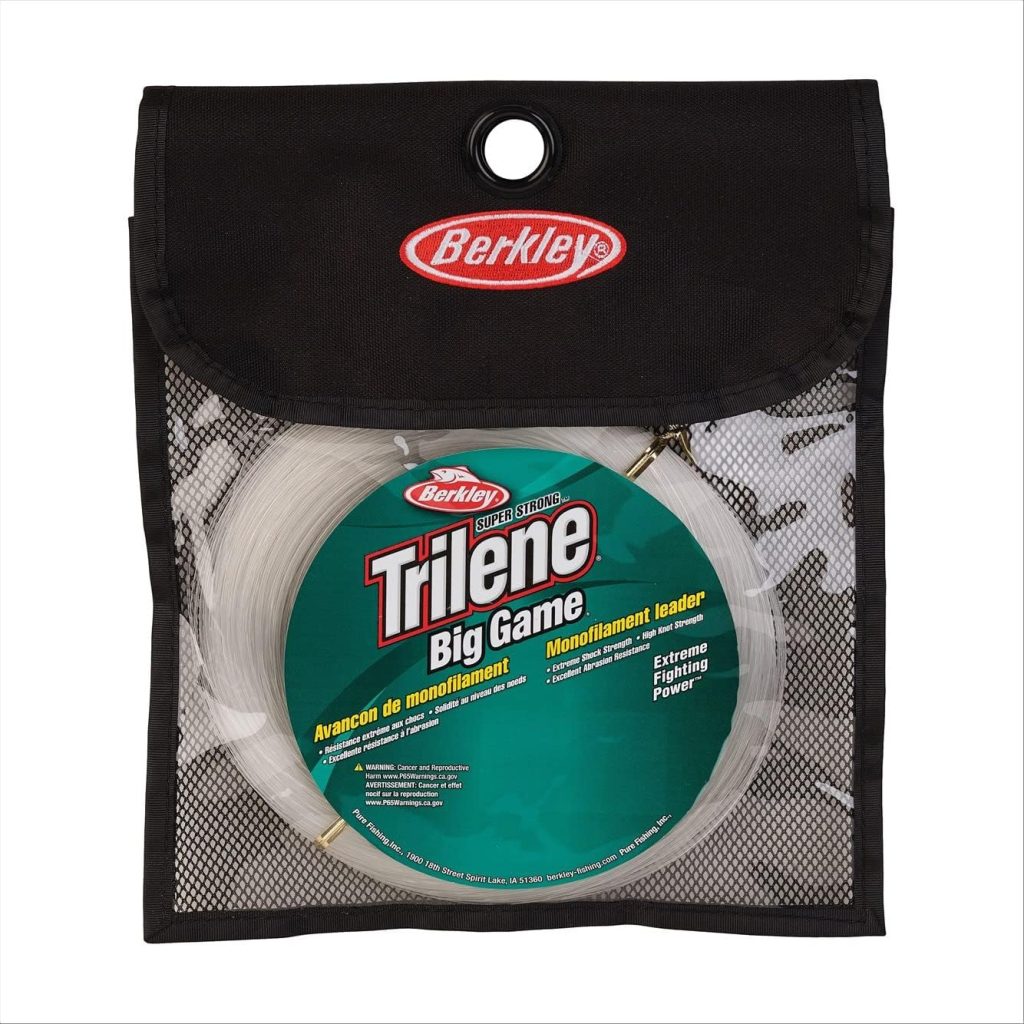
The best monofilament line for bass fishing is the Berkley Trilene Big Game Fishing Line. It provides high impact, superior knot reliability, and excellent abrasion resistance. This fishing line also works as a leader or hook length. Anglers prefer to use big-game lines in rugged lakes and rivers.
In short, no single fishing line for bass works everywhere.
What Is The Best Line Type by Technique?
After extensive on-the-water testing, we found that matching the right bass fishing line to each technique results in better lure action, higher landing percentages, and cleaner hooksets.
Different techniques place different demands on your fishing line for bass, so keep your line choice intentional.
For Flipping and Pitching
When fishing heavy cover, abrasion resistance and strength are crucial to prevent the bass from getting buried in the grass. The best line for flipping and pitching should be:
- Fifty to sixty-five pounds of braid for matted vegetation and thick grass
- Seventeen to twenty-five pounds of fluorocarbon around docks, wood, and laydowns
- This combination provides the power needed to quickly pull fish out of tight cover, absorbing shock loads.
- The Power Pro Spectra is a good option for flipping and pitching. It’s a low-stretch braided line made from Spectra fiber, providing extreme sensitivity and abrasion resistance. Anglers use it for smooth casting and durability.
For Crankbaits
Controlled stretch and consistent depth control result in better crankbait fishing. So, the following makes the best line for crankbaits:
- Ten to twelve pounds of fluorocarbon. This improves diving depth and bottom sensitivity while maintaining contact with the bottom.
- Ten to fourteen pounds of mono for shallow-running crankbaits. Its stretch reduces pulled hooks when bass strikes aggressively.
- Seaguar InvizX Multi-Species Fishing Line is the best overall for crankbaits.
For Topwater Bass
A floating line is necessary for lure action and proper topwater presentation. Therefore, we recommend this as the best line for topwater bass:
- Twelve to seventeen pounds of monofilament. Its stretch, and buoyancy improves hookup ratios on explosive surface strikes.
- Avoid fluoro for popping and walking baits
- For topwater bass, invest in Daiwa J-Braid Filler Spool.
For Drop Shot Bass
Finesse fishing demands sensitivity and stealth. Consider the following as the best line for drop shot bass:
- Six to eight pounds of fluorocarbon
- Ten pounds of braid line with fluorocarbon leader
- Sunline Leader Fishing Line is best for drop shot bass.
What Pound Test for Bass?
Anglers commonly ask what pound test for bass works best across different conditions. It depends less on the size of the fish and more on the lure you are throwing, how much abrasion resistance you need, and the cover you are fishing.
Choosing the correct bass fishing line weight helps maintain lure action while providing enough strength to land fish consistently.
General Pound Test Guidelines
A 6-8 lb line offers better sensitivity and a more natural presentation for drop shots and small plastics. An all-purpose sinning gear performs best with 8-10 pounds of line. It balances casting distance and control. For jigs, reaction baits, and worms, baitcaster setups with 12-17 pounds of line are more effective. Anglers prefer moving to a twenty-pound or heavier line to prevent break-offs.
10 lb versus 12 lb Test For Bass
10 lb vs 12 lb test for bass depends on the environment. The ten-pound line excels in clear water and open areas where finesse presentations matter. The twelve-pound line is better for light grass, docks, and slightly stained water. When unsure, we simply stick to a twelve-pound line for added durability without sacrificing performance.
What Is The Best Line For Bass Spinning Reel?
Spinning reels perform best with thinner and more manageable lines. Therefore, we recommend the following combination as the best line for bass spinning reel setups:
- 8 to 10 lb fluorocarbon for clear water
- 10 to 15 lb braid with fluorocarbon leader
- We recommend Sunline Xplasma Asegai as the best line for a bass spinning reel.
What Is The Best Line For Bass Baitcaster?
Baitcasters shine with heavier lines. So, anglers should get the following best line for bass baitcaster for better power and control:
- 12 to 17 lb fluorocarbon for worms and jigs
- 30 to 50 lb braid for heavy cover
- Sufix 832 Advanced Superline Braid is the best fishing line for bass baitcasters.
Should I Use Braid with a Fluorocarbon Leader?
Yes, you can use a braid fluoro leader for bass setup. It gives you a clear performance advantage. This combination lets anglers benefit from braid’s strength and sensitivity while maintaining the required stealth to trigger bites, especially in pressured fisheries.
Why Does It Work?
The braided line offers exceptional sensitivity, letting you detect light bites and subtle changes even in bottom composition. Plus, its high strength-to-diameter ratio improves casting distance and hook-setting power. Adding a fluorocarbon leader reduces water visibility, which is crucial when bass are feeding in clear conditions.
Then, particularly on spinning wheels, the setup also lessens line memory and boosts overall line management. Lastly, throughout the day, casts stay smoother, and knots remain cleaner.
When Do We Recommend This?
For deep water structure, finesse techniques, and when pressured bass is involved, we usually recommend a braid-to-fluoro system. In these situations, the balance of strength, sensitivity, and stealth leads to more bites and better landing percentages.
The Best Line For Clear Water versus Stained Water
Clear water plays a key role in choosing the right fishing line for bass. Its behavior changes between stained and clear conditions, so adjust the line choice to maintain a natural presentation.
For Clear Water Bass
Bass in clear water closely inspects your baits, making line visibility a critical factor. In these conditions, finesse and stealth matter more than raw strength; therefore, get a 6 to 12 lb fluorocarbon fishing line for clear water bass. It offers natural, subtle presentations.
For Heavy Cover Bass
In thick cover and stained water, bass depend more on vibration and reaction and less on sight. Here, pulling power and durability are priorities, so we recommend 30- to 65-lb braid as the ideal fishing line for heavy-cover bass.
Is Copolymer Fishing Line for Bass Worth Using?
Copolymer fishing line for bass is not used as much, but it’s a practical option for anglers seeking balanced performance without switching to braid or fluorocarbon. This line blends monofilament and fluorocarbon elements, offering you a middle-ground solution that works well in various conditions.
It’s designed to improve on traditional mono while remaining easier to handle than fluorocarbon. Copolymer performance characteristics make it useful for anglers valuing versatility. There is less stretch than mono, improving hooksets. Better abrasion resistance around docks and light cover. The fishing line is more manageable with reduced line memory.
Anglers looking for a reliable fishing line for bass must invest in a copolymer. It’s a strong choice for moving lures and reaction baits where durability matters more than specialization.
How Often To Change Bass Fishing Line?
Knowing how often to change bass fishing line maintains your confidence and prevents losing fish. If you observe fraying or break-offs, it’s time to re-spool. Therefore, do the following:
Fluorocarbon: Change it every two to three months.
Mono: This fishing line demands monthly changing or even sooner, depending on your use.
Braid: Once per season
Final Thoughts
The best fishing line for bass is one that matches your fishing style and techniques. Whether you’re punching mats in stained reservoirs or finesse fishing in clear water, the right bass fishing line gives you confidence.
We recommend building multiple setups because one line can’t do everything. Selecting the right fishing line for bass helps you catch more fish and lose fewer lures. This is what serious bass anglers want.
